

We are grateful to Gillian, who, as ever, is organising the sale of Christmas cards and goods, such as cribs, Advent calendars, and other Christian images with which to decorate our homes. Cards and Advent calendars will be available next weekend in the church and there will be a sale of Christmas items in the hall on 14th/15th November. Christmas cards will be supporting ‘Aid to the Church in Need’ and ‘The Catholic Children’s Society’.

We now have available the ‘Mass attendance cards’ which will be required by parents as a record of weekly attendance at Mass. Initially the card needs to be filled in, a photo of the child attached to the card (c/o parents /guardian) and a parish register created. Once a card has been created for each child, the family will need to present themselves to the priest for the card to be signed and stamped each weekend. Someone suggested this would be somewhat like a loyalty card for a coffee shop! Well, it is, only you won’t get a free coffee after 10 stamps, but you will get a “Certificate of Catholic Practice” provided Mass has been attended weekly for two years, prior to making application to over-subscribed schools, such as St. Andrew’s, Leatherhead. A reminder then, to parents of the changes to school admissions policies where schools, such as St. Andrew’s, Leatherhead, are over-subscribed. PLEASE SEE THE DETAIL on the parish web-site at: https://www.sjcc.org.uk/schools A certificate of Catholic practice, will now be required, such certificate can only be given where there is weekly attendance at Mass for at least two years and the ‘attendance card’ has been stamped by the priest.
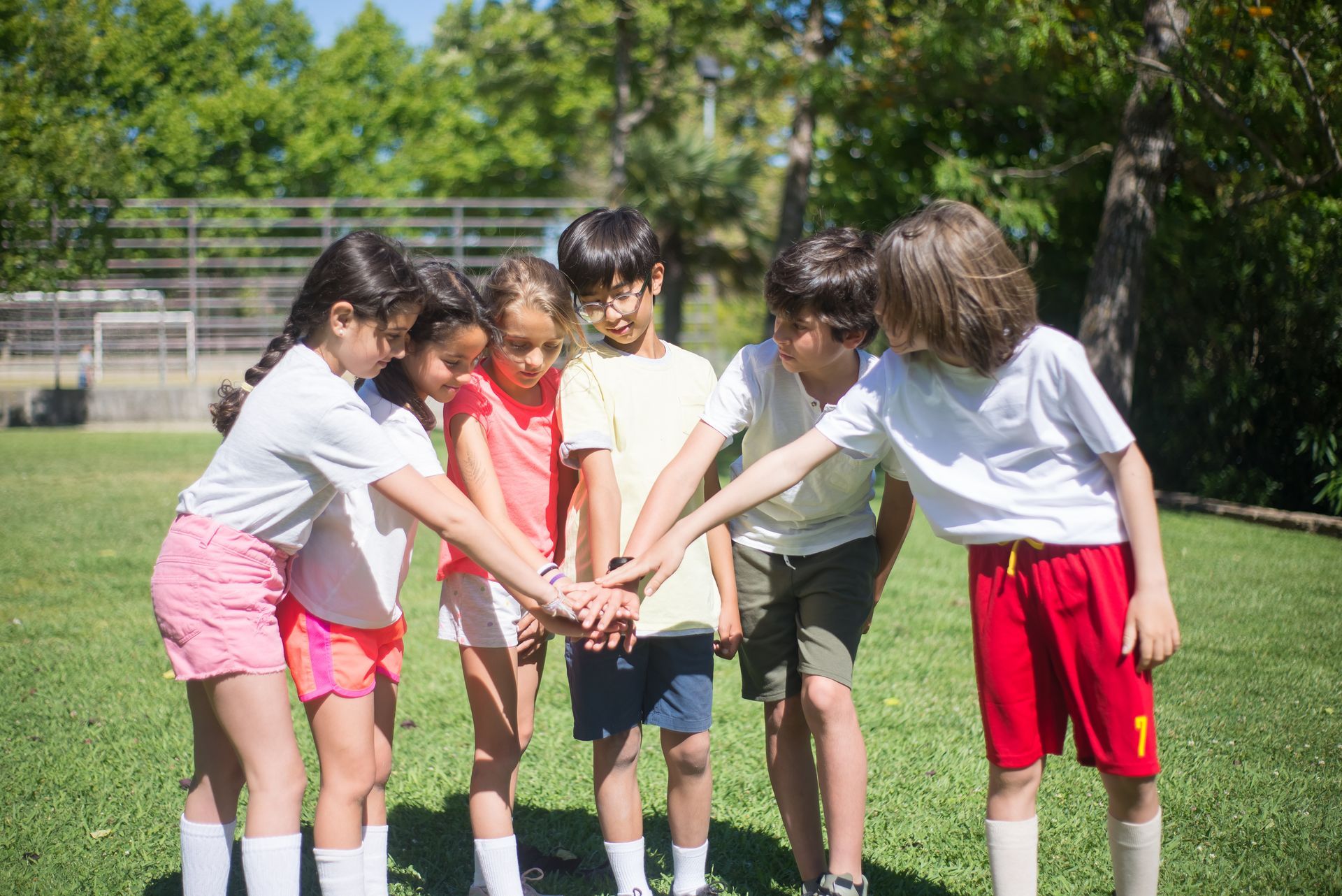
Please note that there will be no Children’s Liturgy on Sunday, 25th October , with the fortnightly schedule adjusted to accommodate the Headteacher’ s Mass on 8th November. Our next session will take place on Sunday, 1st November . The remaining dates for your diary are 15th and 29th November, and 13th December, which will be our final session of 2026. Please also note that from 29th November, Sunday Mass will begin at the new time of 9.15am. Thank you for your understanding, and we look forward to welcoming the children and families at our next session.
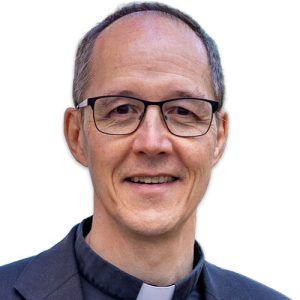
Links to his Mass of Episcopal Ordination

DEANERY WIDE: As has been mentioned, Fr. Charles Howell will be leaving Effingham and Fetcham for a sabbatical, and given there are no other priest to take his place, Mass times across all the churches in the Epsom Deanery are having to be adjusted to accommodate the situation, given the shortage of priests. Work is continuing to make the best provision possible, and it is hoped that details of adjustments will be available by the end of October, with the new Mass times coming into effect as of the first weekend of Advent. Two fundamental principles of the adjusted Mass times are that a priest will celebrate a maximum of three Sunday Masses over the weekend and there will need to be a two hour gap between the start of one Mass being celebrated by a particular priest and the next Mass he would be celebrating. The two hours between the start times affords time for travel from one church to another, but more importantly, for the priest to be available, even though, for only a short time, to speak with people of the parish.
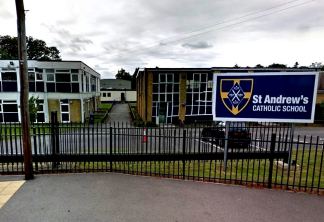
St Andrew's Catholic School is holding their Open Evening on Wednesday, 23rd September 2026 from 6.00pm to 8.00pm.The evening will give you an opportunity to have a tour of the school by the students and to meet staff in all departments. There will be an Address by the Headteacher at 8.00pm to give you a flavour of what St Andrew’s Catholic School is about, it’s expectations and vision for the education of the students. Mr. Brooks advises you to come between 6.00pm and 6.30pm to ensure you have time to have a good tour of the school before the 8.00pm Address. It is not necessary to book an appointment to visit on Open Evening.

We think and pray for those who are making new beginnings, maybe leaving a first born at the school gate for the first time, for those starting at secondary school and the not so familiar surroundings, those going off to tertiary education and for those who are leaving their last born at an educational establishment. These are times of change, concern, even worry, upset and apprehension, both for youngsters and for their parents in these new circumstances, we commend them to the intercession of the Holy Family of Nazareth, that they be consoled, strengthened and inspired by Jesus, Mary and Joseph. To quote St. Teresa of Avila “Let nothing disturb thee, nothing affright thee, all things are passing, patients gains all. He / She who serves God wants for nothing, for He alone is sufficient.”
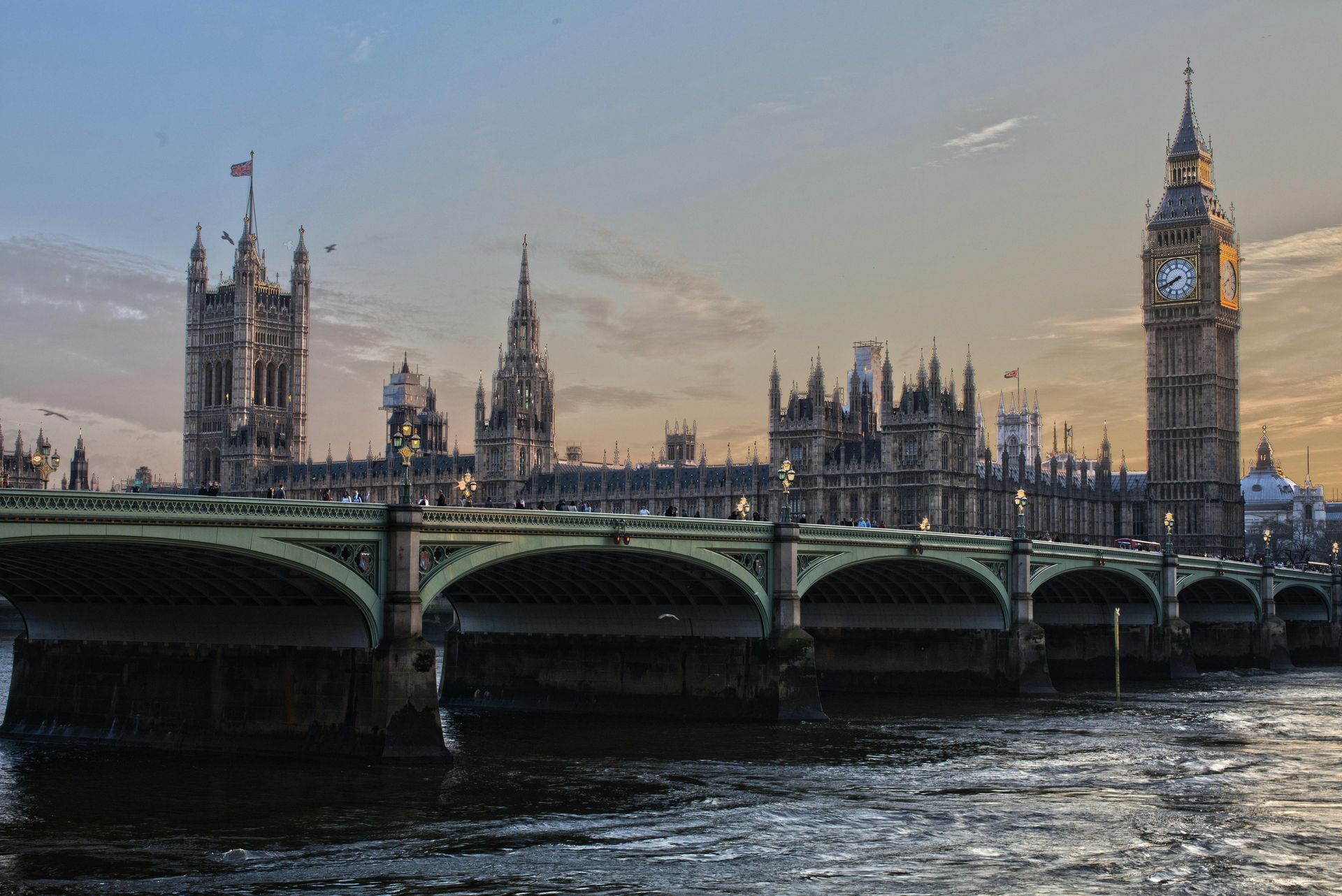
Have created a new letter with more recent findings, with which you are encouraged to contact your MP regarding the ‘Assisted Dying Bill’ which has a ‘Second Reading’ on Friday 11th September. Amongst the findings presented is the following:- “Recent polling has found widespread support for the Prime Minister’s view. A landmark Whitestone Insight MRP poll commissioned by The Other Half, the largest poll on assisted suicide since the introduction of the assisted suicide Bill in the last session, found that 60% of the public believe, like the Prime Minister, that Parliament “should prioritise fixing the NHS and improving palliative, social and end-of-life care…” If you have not already done so, please contact your MP regarding this most serious of matters via:- https://righttolife.org.uk/Sept11vote Many thanks.
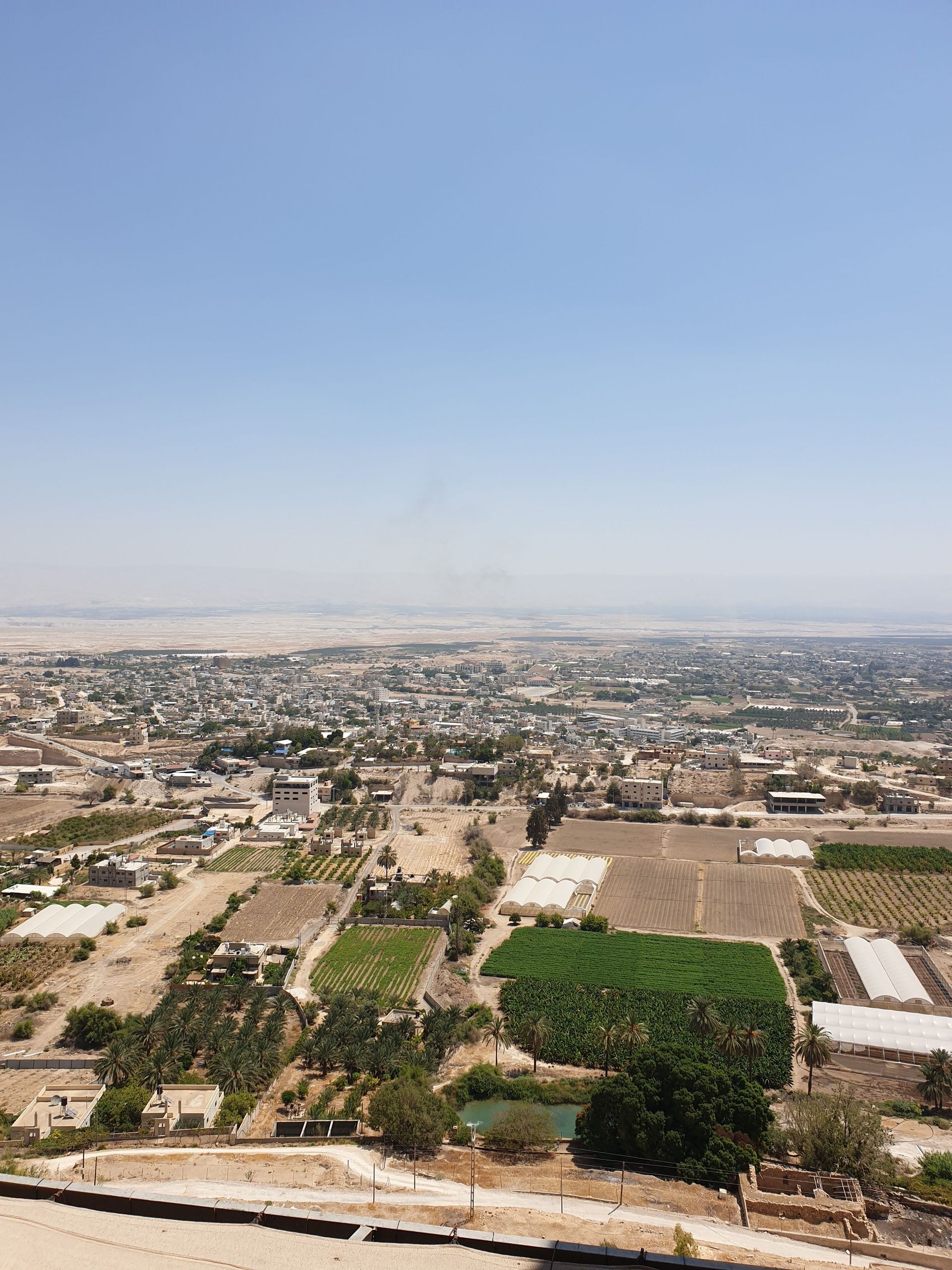
Further to the note, care of ACN, in last weekend’s newsletter (below), about the town of Taybeh, the Bishop’s Conference of England and Wales in their ‘weekly roundup’ inform us that the town has become ‘a closed military zone’ under the auspices of the Israeli Defence Force (IDF). Being a closed military zone, it means that Israelis, foreign nationals, and journalists are prohibited from entering. “It is claimed that this is designed to prevent attacks on residents by Israeli settlers, but it is far from clear that this move will achieve that objective. The Israeli government must find a way of protecting the legitimate communities from settler violence whilst allowing citizens to go about their normal business. This ban will lead to a vital loss of income from tourism and pilgrimages and, thereby, international scrutiny on the situation.” You can read more on the matter at:- https://www.cbcew.org.uk/bishop-james-curry-on-the-declaration-of-taybeh-asa-closed-military-zone/ where the Bishop’s Conference urge you to write to your MP on the matter. The ‘Aid to the Church in Need’ article can be found at: https://heyzine.com/flip-book/6c13c05d80.html#page/4 Since writing, you will have heard on the news that other villages in the West Bank are also designated as ‘closed military zones’. ----------------------------------------- Taybeh, the last entirely Christian town in the West Bank, is at risk of becoming a ghost town. Christians have probably lived there since apostolic times and the town is mentioned in John’s Gospel by the older name of Aephraim. Jesus withdrew there shortly before his crucifixion (John 11:54). But since June 2025 Taybeh has seen increasing attacks by extremist Jewish settler. The remains of the fifth-century Church of St. George have been vandalised, as has the nearby cemetery. Cars have been set ablaze and properties torched. Agricultural land has been destroyed and farmers stopped from entering their olive groves. And in March 2026 settlers seized a quarry and factory on the town’s edge. Parish priest Dr. Bashar Fawadleh said Israeli soldiers have failed to help Taybeh’s Christians when the town has been attacjked: “They didn’t protect us, they didn’t stop the settlers, and this is because they protect settlers, because a lot of the soldiers come from settler communities – and they are encouraged by the fanatical elements in the government.” The February 2026 cabinet decision to support the expansion of Israeli Settlements in the West bank placed further strain on Taybeh. “The general climate has become more fragile and tense, with an increase in military operations, traffic restrictions due to the installation of military gates at several entrances to the city.” Soldiers decide when gates are open “disrupting the daily lives of civilians,” Fr. Bahar said. The priest added some families had already left Taybeh and others were “seriously considering it.” Fr. Bashar told CAN he understood the fears families had for their children, but that Taybeh’s Christian presence is a living testimony to the Faith “in this land where Christianity was born. Leaving the land is sometimes a human necessity, but staying is often an act of faith and hope.” With just 1,400 souls left in Taybeh, Fr. Bashar has asked for prayers that the town’s “Christians remain a living community and not a mere memory of the past.” (Due acknowledgement to’Aid to the Church in Need, Magazine Summer 2026: https://heyzine.com/flipbook/6c13c05d80.html#page/4 )
Please keep in your prayers those who will have received or who will be getting public exam results in the near future. We pray that all concerned will have the results they are seeking but are mindful that this will not universally be the case; we pray especially for the guidance and consolation of the Holy Spirt and soundness of mind and heart in situations both of joy and thanksgiving and sorrow and upset.